Diagnostic centre software has to do two jobs at once. It must run a precise, auditable laboratory and imaging operation, where every sample and scan is traceable from collection to signed report. And it must run a fast customer business, where patients, referring doctors, corporates and collection partners expect quick bookings, clear bills and reports on their phone.
Most centres outgrow their first system when they add a second service line, such as radiology next to pathology, or start home collection and B2B work. This guide explains what diagnostic centre management software should cover across lab, radiology, home collection, B2B referrals and report delivery, and how to evaluate and roll it out.
It is written for owners and managers of standalone labs, imaging centres and combined diagnostic centres in India, including those planning collection centres in nearby towns.
What diagnostic centre software covers
A complete system connects the front desk, the lab, the imaging rooms, the field team and the billing desk around one order. The table shows the main areas and what each one needs to do well.
| Area | What it handles | Key requirement |
|---|---|---|
| Front desk | Registration, test orders, packages, billing | Fast order entry and correct rate card |
| Laboratory (LIS) | Sample collection, barcodes, worklists, results | Analyser integration and validation steps |
| Radiology (RIS) | Scheduling, modality worklists, reporting | PACS and DICOM connectivity |
| Home collection | Bookings, phlebotomist routes, sample hand-over | Time stamps and chain of custody |
| B2B and referrals | Doctors, hospitals, corporates, collection centres | Separate rate cards and credit billing |
| Report delivery | Signed PDFs, WhatsApp, email, portal | Secure access and an audit trail |
| Management | Volumes, turnaround, revenue, outstanding | Live dashboards by centre and channel |
If your centre sits inside a hospital, the requirements overlap with a hospital lab system. Our guide to the laboratory information system for hospitals covers that case.
Laboratory workflow: from sample to signed report
The lab is where errors are most costly, so the software should enforce the steps rather than rely on habit.
- Test order created at the front desk, home collection or B2B portal.
- Barcode labels printed at collection, one per container, linked to the order.
- Sample received in the lab with a time stamp; rejections recorded with a reason.
- Worklists generated by department and analyser.
- Results captured directly from analysers through an interface, not retyped.
- Technical validation by the technologist, with flags for abnormal and critical values.
- Medical validation and digital sign-off by the pathologist.
- Report released to the patient, doctor or partner according to rules.
Analyser integration is worth paying for. Most analysers speak ASTM or HL7 v2 through a middleware or direct connection, and connecting them removes the most common source of transcription errors. Our healthcare integration team does this kind of work, and our HL7 and FHIR integration guide explains the standards involved.
Quality features matter too, especially for labs working towards or maintaining NABL accreditation under ISO 15189: internal quality control records, delta checks against previous results, reference ranges by age and sex, and a full audit trail of edits.
Radiology workflow and compliance
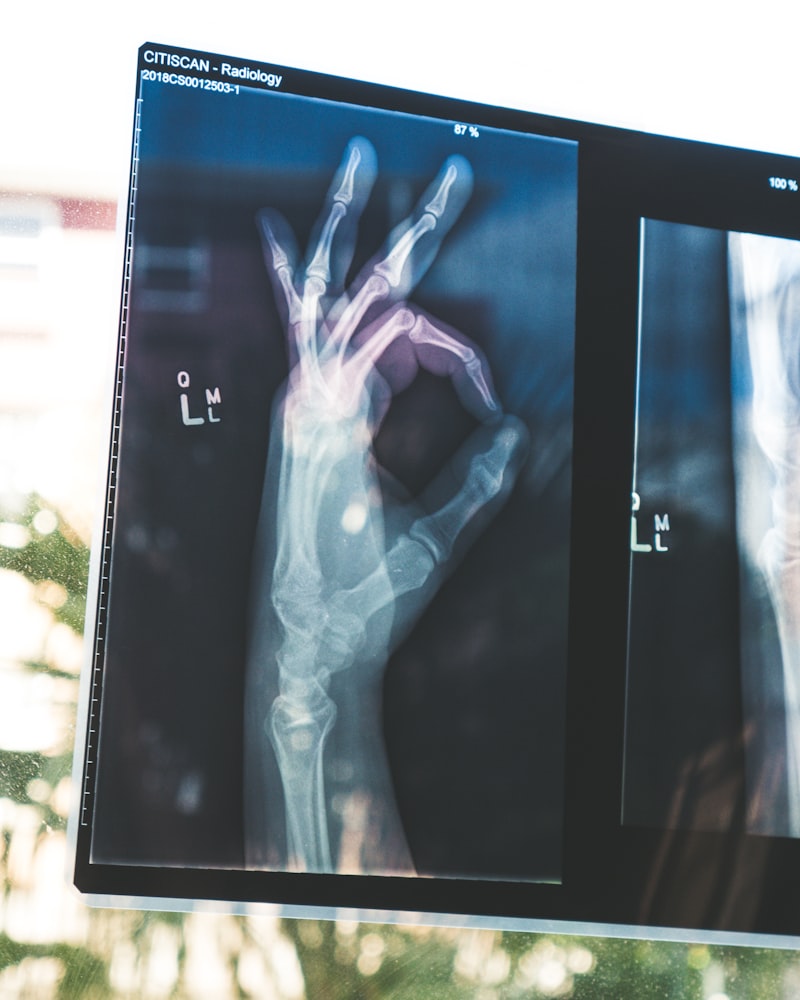
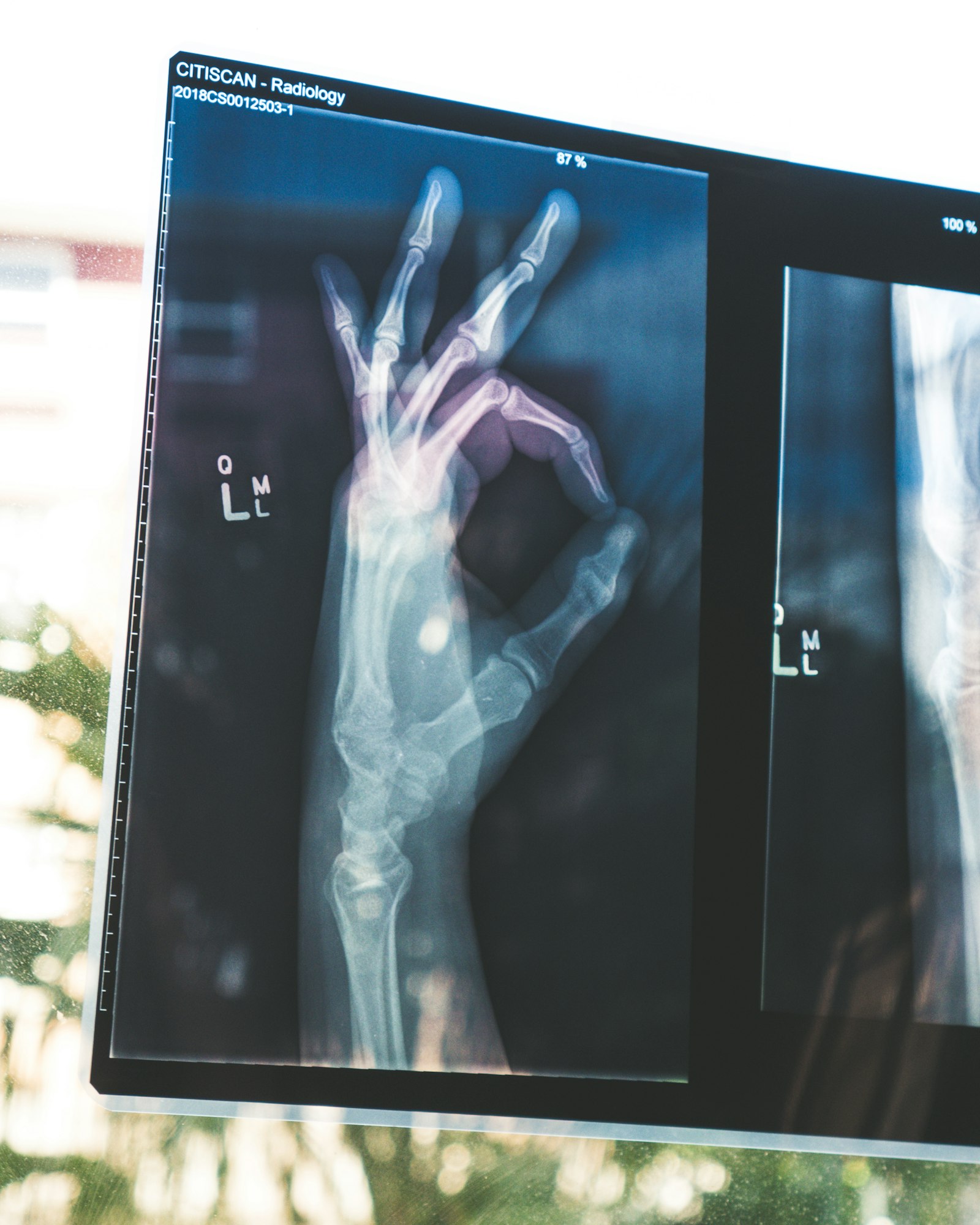
Radiology adds scheduling, equipment and image management. A good radiology information system books the right modality and room, sends a worklist to the machine so patient details are not typed twice, and links the images in PACS to the report.
- Scheduling by modality: X-ray, ultrasound, CT and MRI have different durations, preparation instructions and staff.
- Modality worklist: patient and order details sent to the machine through DICOM, reducing mismatches.
- Reporting templates: structured templates by study type, with the option for radiologists to report remotely.
- Image access: referring doctors view images through a web viewer or link, with access controls.
Indian regulations apply directly. Ultrasound on pregnant women is governed by the PCPNDT Act, which requires records such as Form F to be completed and retained; software can enforce that the form is completed before the report is released. X-ray and CT equipment requires licensing from AERB. Software does not replace these obligations, but it can make missing paperwork visible before an inspection does.
Home collection that does not lose samples
Home collection has become a core channel for many centres, and it brings operational risk: samples that wait too long, patients who wait for a phlebotomist who never arrives, and payments collected in cash with no record.
A home collection module should include:
- Online and phone booking with time slots by area.
- Assignment of bookings to phlebotomists, with a simple route for the day.
- A mobile app for the phlebotomist with patient details, tests, preparation instructions and payment collection.
- Barcode scanning at the patient's home and a recorded collection time.
- Hand-over at the lab with a received time, so time in transit is visible.
- Patient notifications when the phlebotomist is on the way and when the sample reaches the lab.
B2B referrals, corporates and collection centres
B2B work is often where a diagnostic centre grows, and where billing gets complicated. Referring hospitals, nursing homes, corporate clients, insurers and franchise or partner collection centres each need their own commercial terms.
The software should support separate rate cards per partner, credit billing with monthly statements, partner logins to book tests and download reports, and reports branded or routed according to the agreement. Outstanding amounts by partner should be visible at any time.
One caution: referral sources should be tracked so you know where patients come from, but payments to doctors for referrals raise serious ethical and regulatory issues under medical ethics rules. Good software tracks referral volumes and contracted rates with institutions; it should not be used to run referral fees.
Reports on WhatsApp, email and portal
Patients increasingly expect reports on WhatsApp, and for many centres it is the fastest way to reduce calls to the front desk. Done well, it is also safer than staff forwarding PDFs from personal phones.
| Delivery method | Strengths | Points to handle |
|---|---|---|
| WhatsApp template message | Fast, familiar, high read rates | Opt-in, approved templates, secure link |
| Good for corporates and doctors | Correct address, attachment size | |
| Patient portal or app | Full history in one place | Patients must log in |
| SMS link | Works on any phone | Short message, link-based access |
| Printed copy | Still expected by some patients | Same signed version as digital |
A sensible pattern is to send a WhatsApp template saying the report is ready, with a link that requires a short verification such as an OTP or date of birth before the PDF opens. That keeps sensitive results off a shared phone screen. Partial results for long-running tests can be released with a clear label. Our guide to WhatsApp automation for hospitals and clinics explains templates, opt-in and costs in detail.
Data protection and ABDM for diagnostic centres
Diagnostic results are among the most sensitive personal data a business can hold. The DPDP Act 2023 does not create a separate category for health data, but it applies in full. Under the DPDP Act 2023 and the DPDP Rules 2025, centres need a lawful basis and clear notice for processing, reasonable security safeguards, and a process for breaches. In practice that means role-based access, encryption, audit logs and careful control over who can download reports.
ABDM adds an opportunity. A diagnostic centre registered in the Health Facility Registry, using integrated software, can link reports to a patient's ABHA so they can be shared with the patient's consent. Our post on ABDM integration for hospital software explains how the milestones work.
What diagnostic centre software costs
Pricing depends far more on scope than on the number of tests, so any figure is an indicative range. A single pathology lab on a packaged LIS may pay a modest monthly subscription. A combined lab and imaging centre with home collection, several collection points and B2B partners will pay considerably more, whether through higher subscription tiers or a custom build priced as a project in lakhs of rupees.
The main cost drivers are:
- Number of analysers and modalities to integrate, and whether middleware is needed.
- Radiology scope: RIS only, or RIS plus PACS and a web image viewer.
- Home collection: field app, route planning and payment collection.
- Number of collection centres, partners and branded report formats.
- WhatsApp volume and the integration needed for secure report links.
- Data migration from the current system, including historical reports.
- Hosting, backups and the support hours you need, since many centres run late into the evening.
Choosing diagnostic centre software
Use this checklist when comparing products or planning a custom build:
- Does it handle both lab and radiology, or will you run two systems?
- Which of your analysers and modalities can it integrate with today?
- Are barcodes, validation and sign-off enforced, with a full audit trail?
- Does home collection include a field app, time stamps and payment collection?
- Can each B2B partner have its own rate card, login and statement?
- How are reports delivered on WhatsApp, and how is access secured?
- Can you see turnaround time by test, department and centre?
- Can you export all data if you change systems?
Turnaround time deserves a final word. It is the measure patients and referring doctors feel most, and it is easy to report once every step has a time stamp. A good system shows turnaround by test and by stage, so you can see whether delays sit in collection, transport, processing or sign-off.
Off-the-shelf lab software works well for a single lab with standard tests. Centres combining lab and imaging, running many collection points or large B2B books often need more control over workflow and reporting. Algon Solutions builds that kind of system from Kochi through our clinic automation work, with integrations to existing analysers and PACS where replacing them makes no sense.
Conclusion
Diagnostic centre software should make every sample and scan traceable, every partner billed correctly, and every report reach the right person quickly and securely. Test it with your real analysers, your real home collection routes and your real partner contracts before you commit. If the system can show you turnaround time by stage on day one, you will know where to improve on day two.
Frequently asked questions
What is diagnostic centre software?
It is software that runs a diagnostic centre end to end: registration and billing, lab sample tracking and results, radiology scheduling and reporting, home collection, B2B partner billing and report delivery.
Can diagnostic software connect to lab analysers?
Yes. Most analysers communicate using ASTM or HL7 v2, directly or through middleware. Integration sends results straight into the system and removes manual typing errors.
Is it safe to send lab reports on WhatsApp?
It can be, when patients opt in, messages use approved templates from a business number, and the report opens through a secure link with verification rather than as an open attachment on a shared phone.
Does diagnostic software help with PCPNDT compliance?
It can enforce completion of required records such as Form F before an ultrasound report is released and keep them retrievable, but the centre remains responsible for meeting the law.
How does home sample collection software work?
Bookings are assigned to phlebotomists who use a mobile app to see visits, scan barcodes, record collection time and collect payment. The lab records receipt time so transit delays are visible.
Do diagnostic centres need separate lab and radiology software?
Not necessarily. A combined system with LIS and RIS modules gives one patient record and one bill, while still integrating with separate PACS and analyser software.