
What is a hospital operating system?
A hospital operating system is the software layer that carries a patient, their records and their bill through every department, from registration to the follow-up call after discharge. Unlike a set of separate modules, it treats the hand-offs between departments as part of the system.
Most hospital management software is bought module by module. Registration works, pharmacy works, billing works, but the gaps between them still run on phone calls, paper slips and someone remembering. We build the system around those gaps: every stage has a named owner, every hand-off is recorded, and management can see where patients and bills are waiting.
We do not sell a ready-made product. Each hospital operating system is shaped around how your hospital already runs, reusing proven building blocks from earlier deployments so you are not paying to start from zero.
- Where does a patient wait longest between departments?
- How long between the discharge order and the final bill?
- Can management see today's admissions, delays and revenue without asking?
From bottleneck review to go-live
The new system runs alongside the old way until your staff trust it. No big-bang switchover.
1. Bottleneck review
We map the patient journey with your team and name the owner of each step. You decide whether to proceed and with which scope.
2. Plan
We agree on modules, priorities, timeline and cost. You approve the plan before any build starts.
3. Build in short cycles
You see working software regularly, starting with the stage that hurts most, and adjust priorities as you go.
4. Run in parallel
The new system runs alongside registers and existing software until each department trusts it.
5. Go live and train
Each role is trained on the steps it owns, not on every screen in the system.
6. Support and improve
We monitor, fix and add the next layer, such as automation or AI, once the data is ready.

Why hospital software often disappoints
The software usually works. The hospital still runs on calls and paper because the parts that matter most were never designed.
Bought as modules
Each department gets its own screen, so the hand-off between departments still runs on phone calls and paper.
Nobody owns the gaps
The time between a discharge order and the bill being ready belongs to no one, so it stretches.
Staff work around it
When the system doesn't match the ward's reality, people keep side registers and the data management sees is incomplete.
AI bolted on too early
AI features added before the records are reliable only speed up the mess.
No live view for owners
Occupancy, delays and revenue arrive as end-of-month reports instead of something management can check today.
Training by department
Staff learn screens, not the steps they own, so the process breaks at the first unusual case.
What the hospital operating system covers
Each stage is built as part of one patient journey, with an owner, a status and a hand-off to the next stage.
- 01
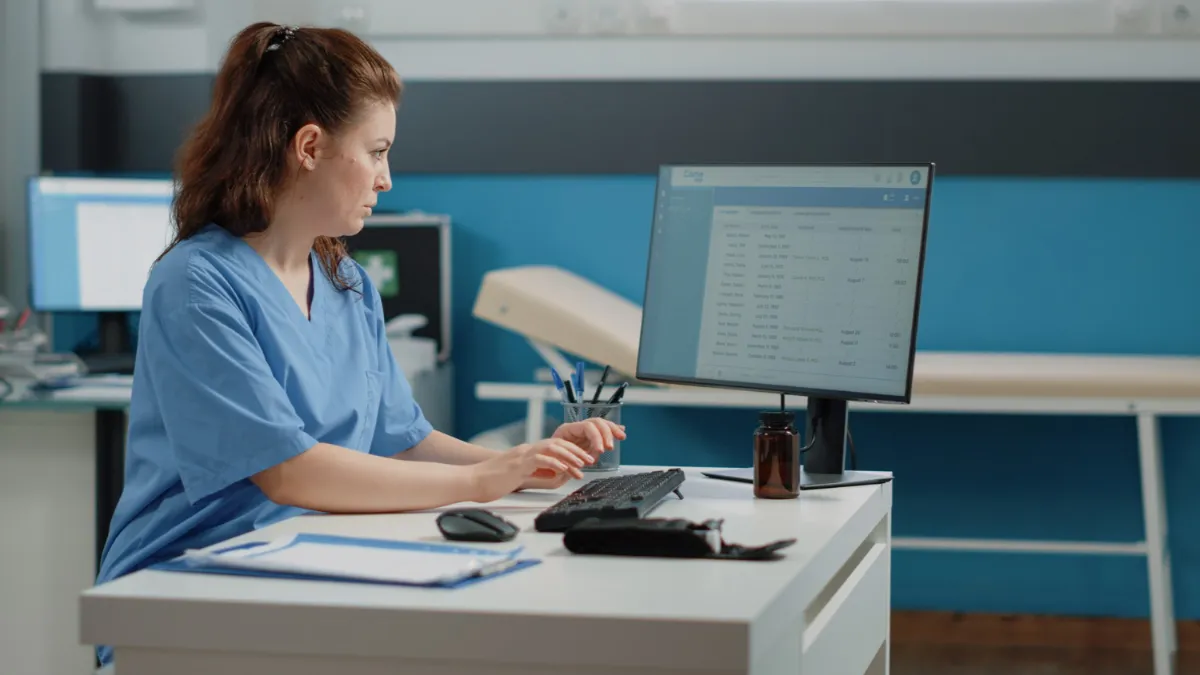
Front desk & OPD
Registration, appointments, queues, consultations, orders, prescriptions and referrals in one flow.
- 02

IPD & nursing
Admissions, bed management, ward rounds, transfers, care tasks, vitals, medication rounds and shift hand-overs.
- 03

Pharmacy
Prescription to dispensing, with stock and expiry tracking tied to what was actually prescribed.
- 04

Operation theatre
Theatre scheduling, pre-op checklists and theatre notes, visible to the ward and billing.
- 05
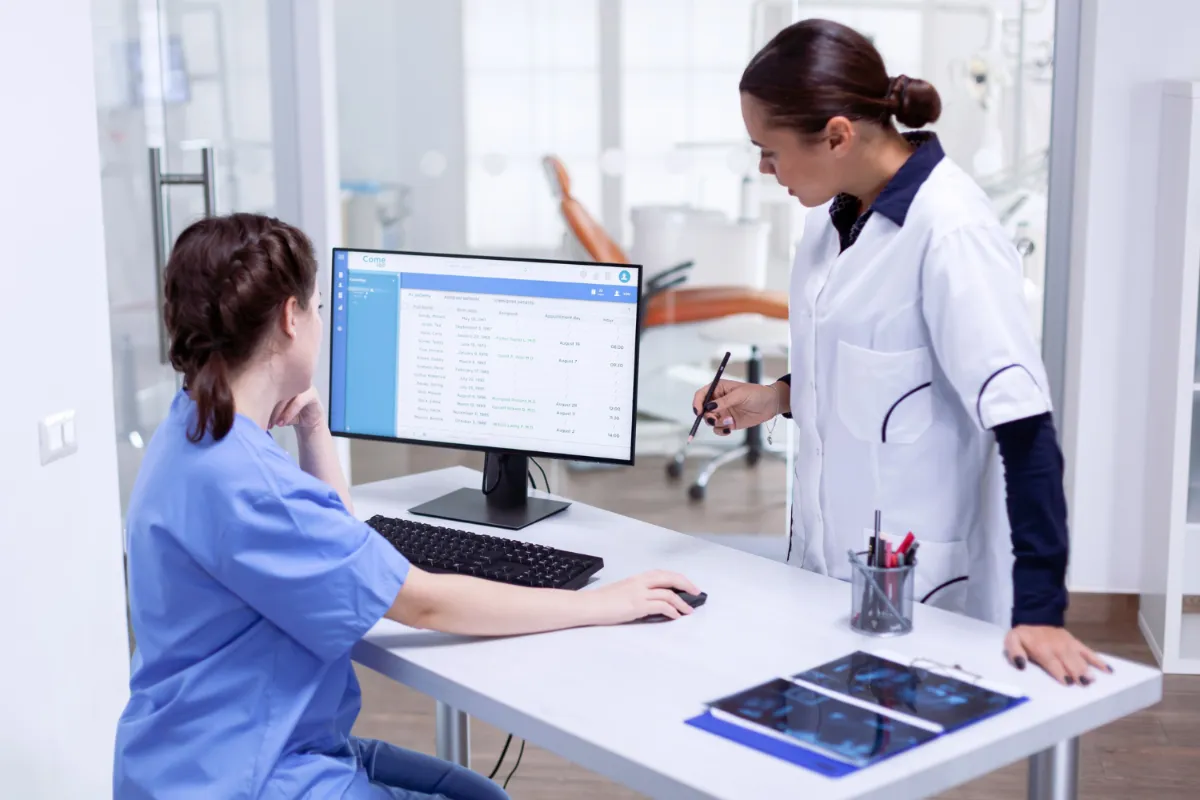
Billing & discharge
Charges captured at source, packages, insurance and the final bill, with clearances closed before the patient waits.
- 06
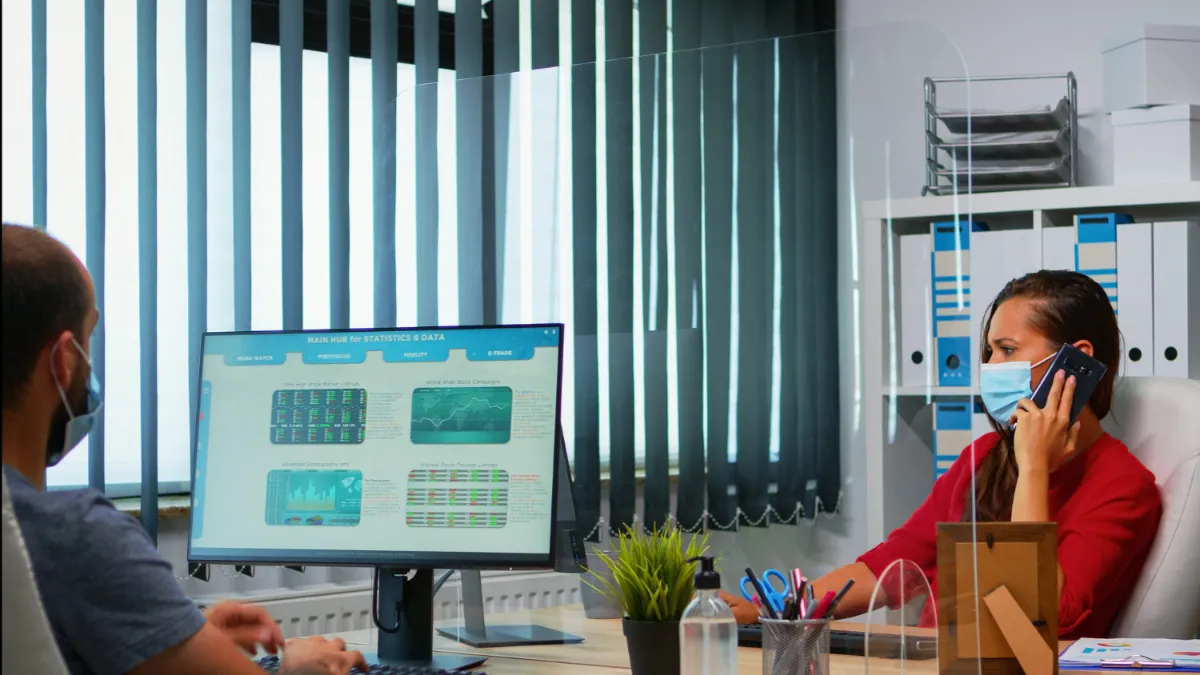
Follow-up & owner dashboards
Post-discharge calls, review visits and reminders, plus a live view of occupancy, delays and revenue for management.
Every stage, and what it covers
One connected system for general and specialty hospitals. Each stage has a named owner, so a patient never falls between departments.
| Stage | What it covers | Who owns it |
|---|---|---|
| Front desk | Registration, appointments, queues and patient records | Front office lead |
| OPD | Consultations, orders, prescriptions and referrals | Consulting doctor |
| IPD | Admissions, bed management, ward rounds and transfers | Admissions / ward in-charge |
| Nursing | Care tasks, vitals, medication rounds and shift hand-overs | Nursing supervisor |
| Pharmacy | Prescriptions to dispensing, stock and expiry tracking | Pharmacist in charge |
| Operation theatre | Scheduling, pre-op checklists, theatre notes | OT coordinator |
| Billing | Charges captured at source, packages, insurance and final bill | Billing lead |
| Discharge | Clearances, summaries and billing closure | Discharging doctor & billing |
| Follow-up | Post-discharge calls, review visits and reminders | Patient care coordinator |
Owners are agreed with your team during the bottleneck review. The roles above are typical, not fixed.
You know the hospital. We bring the system.
Projects fail when neither side understands how the system is supposed to run, so that is where we start, before any build is quoted.
| You bring | We bring |
|---|---|
| Knowledge of your departments, patients and rules | The technology, architecture and execution plan |
| The people who do the work and know where it breaks | A team that maps, builds, tests and supports the system |
| Decisions on priorities and trade-offs | Clear options, costs and risks for each decision |
Built for general and specialty hospitals
Multispecialty hospitals
Many departments, many hand-offs. The system keeps every patient and bill moving between them.
Specialty hospitals
Psychiatric, cardiac, maternity, eye and other specialty workflows configured around how your clinicians work.
Growing hospitals
Moving off registers and spreadsheets without stopping daily operations.
Built for patient data
Hospital records need stricter handling than ordinary business data. Security is designed in from the first module.
- Role-based access
- Audit trail on every record
- Encryption in transit and at rest
- Data stays in infrastructure you control
- Backups and recovery plan
- HIPAA-aligned design for US clients
- India DPDP Act
- ABDM-ready integrations
- HL7 / FHIR interfaces
Which standards apply depends on where you operate. We confirm the exact compliance scope with you during planning.
A complete HMS, delivered in three months
A psychiatric and mental healthcare practice moved from a manual, offline system to a fully digitised workflow.
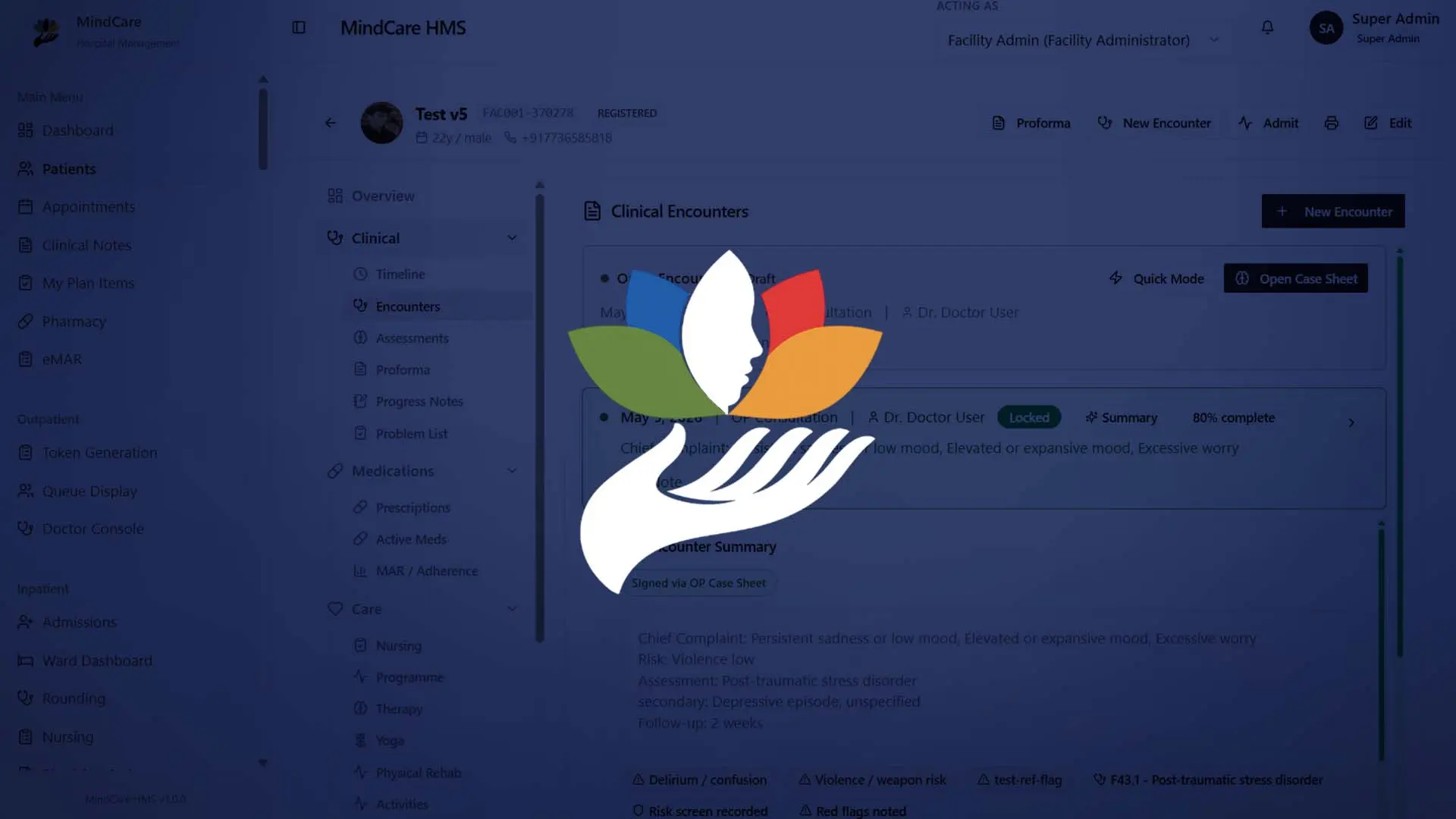
Hospital OS: Patient Records & OPD
One patient identity, one record and one outpatient flow, from the front desk to the consultation room.
- 1
- Shared patient record across departments
- 50+
- Modules in the full system
- 100%
- Workflow digitised
Where to go next
Clinic Automation
Clinic automation for appointments, reminders, follow-ups, complaints, IVR triage and lab report delivery, so a small team handles a busy day without chasing.
Learn moreClinical Documentation AI
Clinical documentation AI that drafts consultation notes, discharge summaries, letters and referrals for clinicians to review and sign, not type from scratch.
Learn moreHealthcare Integration
Healthcare integration that connects lab machines, PACS, insurance portals, accounting, WhatsApp and HL7 / FHIR systems, so staff stop typing the same data twice.
Learn more
Frequently asked questions
No. We build the hospital operating system around how your hospital runs, reusing proven building blocks from earlier deployments so you are not paying to start from zero.
Yes. Most hospitals start with the stage that hurts most, often front desk and OPD or billing and discharge, and add the rest in short cycles.
Usually, yes. We map what you use today, such as lab machines, PACS or accounting software, and connect to it where that is cheaper than replacing it.
Your data stays in infrastructure you control, and you own the system we build for you.
The new system runs in parallel with the old way until each department trusts it. Staff are trained on the steps they own before go-live.
Once the records are reliable, yes: clinical documentation, discharge summaries and owner-level insights. A clinician always reviews AI output before it reaches a patient record.
It depends on the scope agreed after the bottleneck review. As a reference, we delivered a 50+ module HMS for a specialty practice in three months.
Bring us your bottleneck.
If a process in your organisation depends on one person remembering to follow up, describe it to us. You will get a straight answer on whether it needs automation, software, a team, or none of these.
Or write directly to support@algonsolutions.com