
What is clinical documentation AI?
Clinical documentation AI uses speech recognition and language models to draft clinical documents, such as consultation notes and discharge summaries, from the consultation and the patient's existing record. The clinician reviews and signs the draft instead of writing it from a blank page.
Discharge summaries are a common bottleneck: the patient is ready to go, but the summary waits for a doctor to find time to write it. A draft assembled from the admission notes, investigations, procedures and medicines lets the doctor check and sign in minutes rather than compose from scratch.
AI never writes directly into the record. Every draft is marked as a draft until a clinician has approved it.
How we introduce documentation AI
Documentation AI drafts, clinicians decide. We start with one document type, agree the format with the people who sign it, and keep every draft in review mode until it is trusted.
1. Pick one document
We start with the document that holds up the most work, often the discharge summary.
2. Check the sources
We confirm the record contains what the draft needs. If it does not, we fix data capture first.
3. Agree the format with clinicians
Doctors from the specialty define the structure and wording of a good draft.
4. Run drafts in review mode
Clinicians compare drafts against their own documents until they trust the output.
5. Go live and monitor
Drafting goes live with sign-off built in, and we track edits to keep improving the drafts.
Why documentation tools disappoint clinicians
Notes written after hours
Doctors finish the clinic, then spend the evening catching up on notes and letters.
Discharge waits on the summary
Patients and beds are held because the summary has not been written yet.
Dictation is only half the job
Transcribing speech word for word still leaves the doctor to structure and edit the note.
Templates nobody fits
Rigid templates force every specialty into the same shape, so clinicians work around them.
Drafts that cannot be trusted
If the draft contains details not in the record, doctors stop using it after the first error.
Separate from the record
A standalone AI tool means copying and pasting between screens, which adds work and risk.
What we build
Each document type is drafted from specific sources, and the clinician can see which source each part came from.
- 01
Consultation note drafting
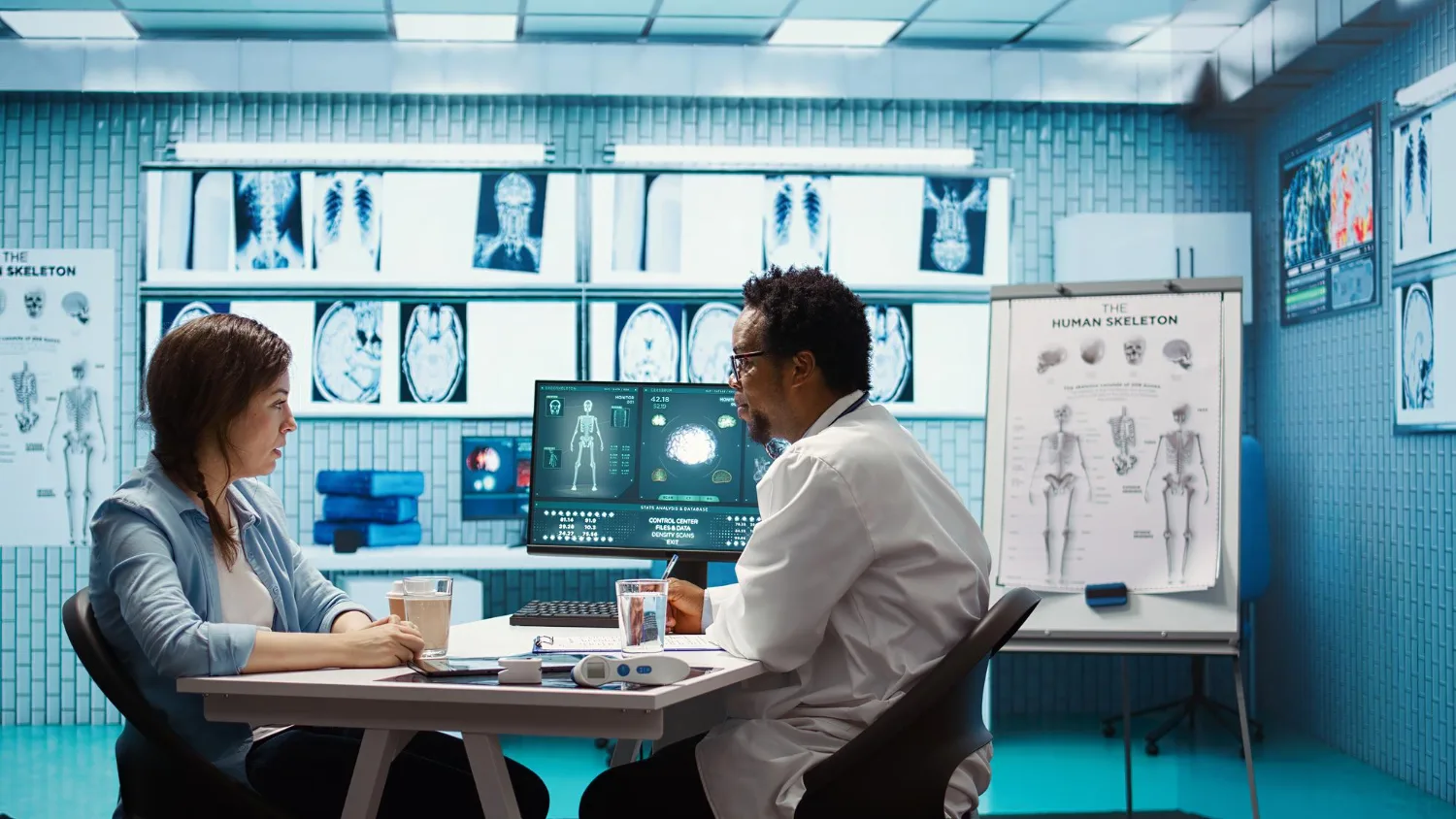
The consultation is captured, with consent, and turned into a structured note in your specialty's format.
- 02
Discharge summary drafts
Assembled from admission notes, investigations, procedures and medicines in the record, ready for the discharging doctor to check.
- 03
Referral letters
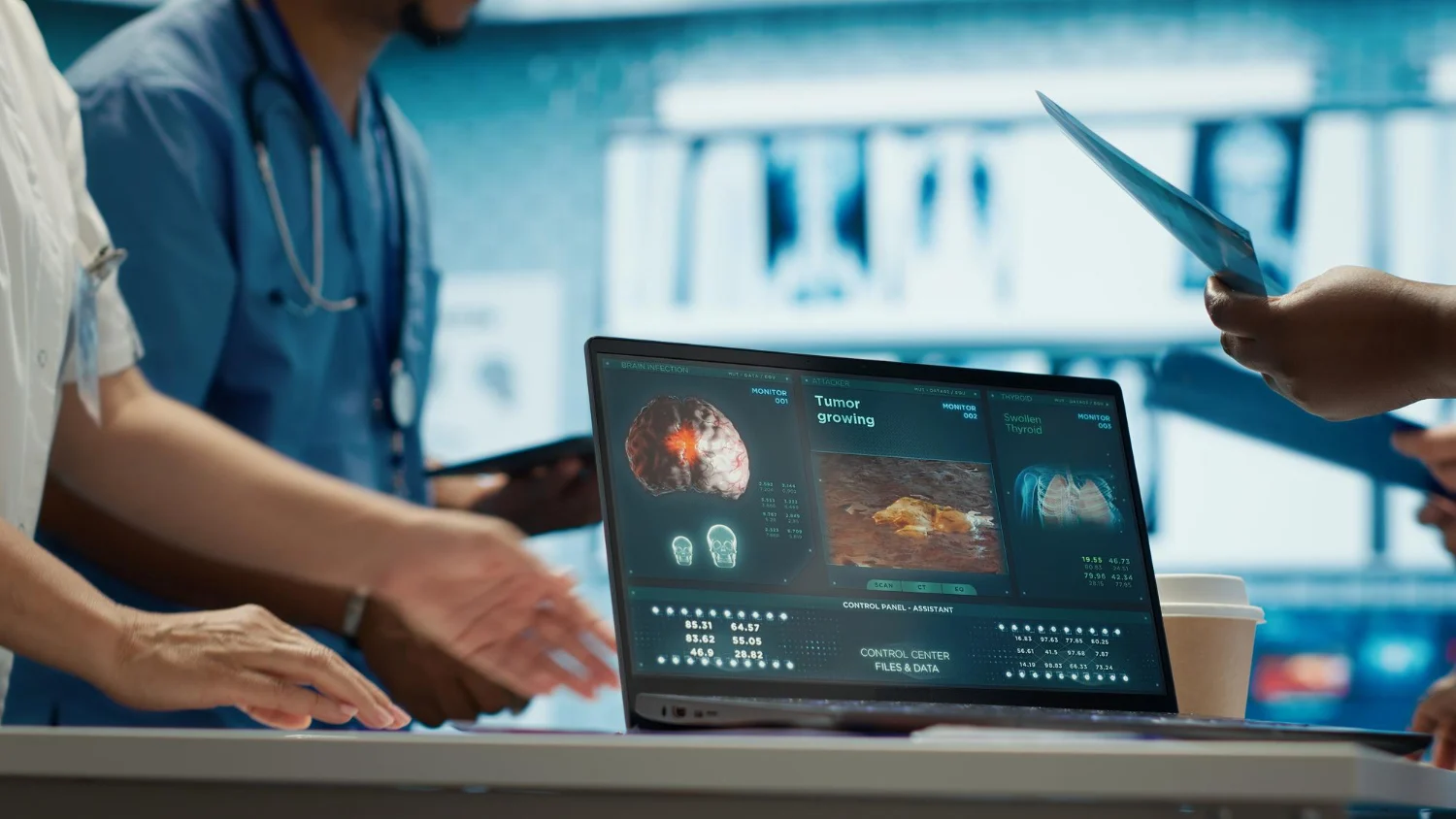
Referral letters drafted from the relevant history and findings, addressed to the receiving doctor.
- 04
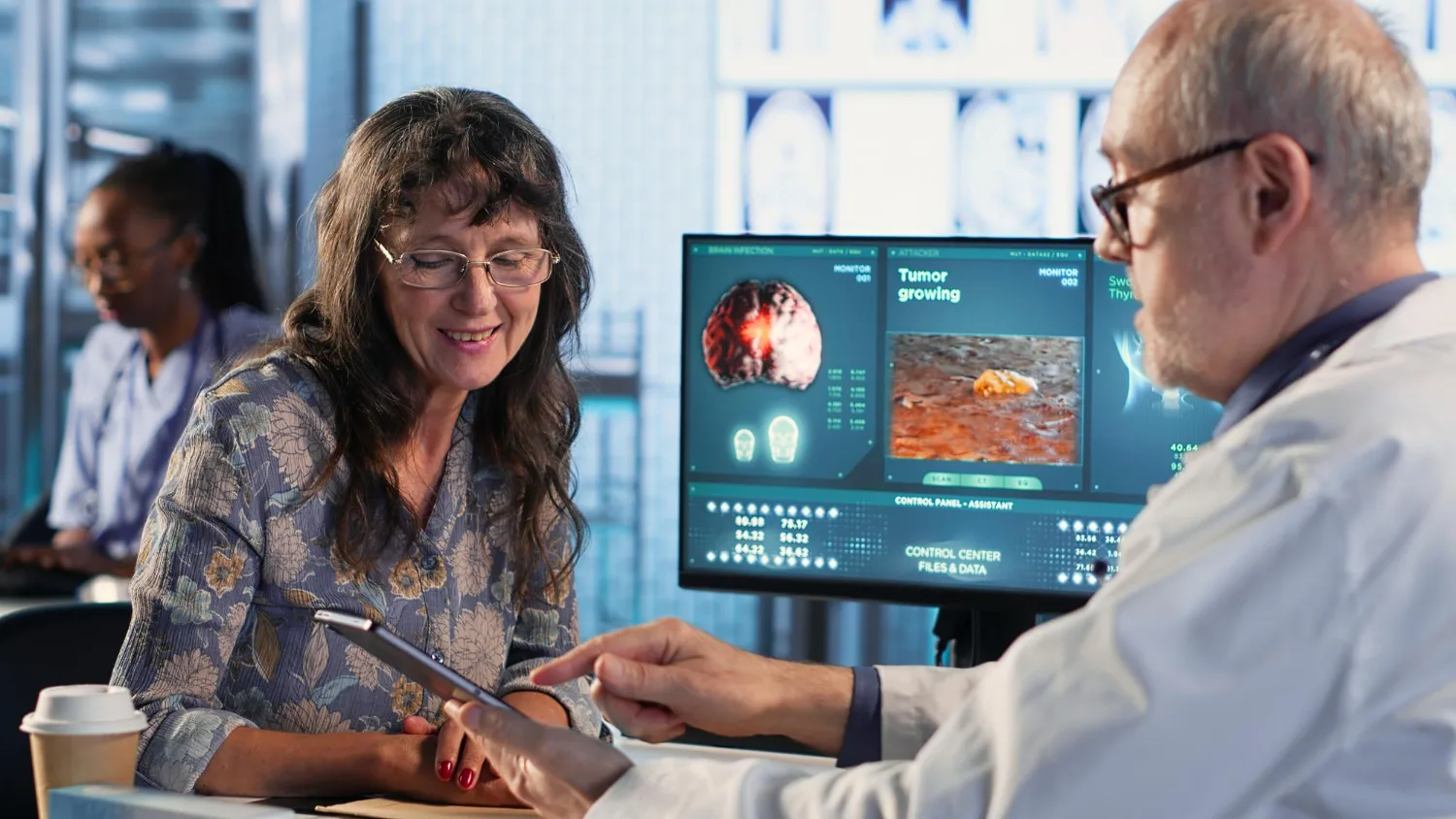
Patient-friendly letters
Plain-language versions of instructions and summaries for patients, checked by the clinician.
- 05
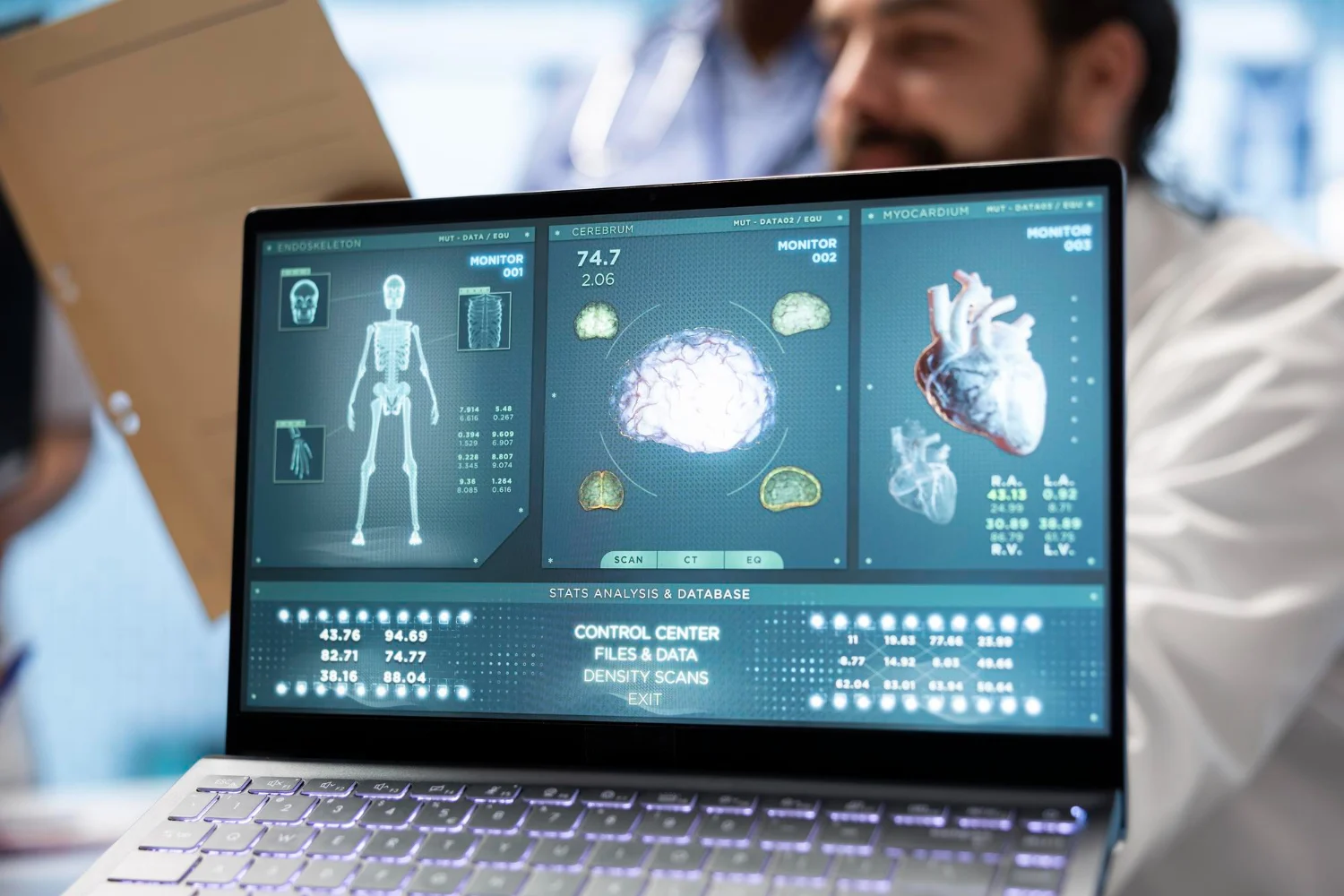
Review and sign-off screen
Drafts are shown side by side with their sources, and nothing is filed until a clinician approves it.
- 06
Inside your hospital system
Drafting runs within your HMS or EMR workflow, so there is no copying between tools.
What AI drafts and who signs
| Document | Drafted from | Reviewed and signed by |
|---|---|---|
| Consultation note | The recorded consultation and prior history | Consulting doctor |
| Discharge summary | Admission notes, investigations, procedures, medicines | Discharging doctor |
| Referral letter | Relevant history, findings and the reason for referral | Referring doctor |
| Patient letter | The signed clinical document | Treating clinician |
AI output is always held as a draft. It enters the patient record only after a clinician approves it.
Templates, dictation or AI drafting
| Approach | Works well when | Limits |
|---|---|---|
| Structured templates | Documents are short and highly standard | Slow for complex cases and varied specialties |
| Dictation and transcription | Doctors already dictate and have typing support | Text still needs structuring and editing |
| AI drafting from the record | Records are digital and reliable, and documents draw on many sources | Needs clean data and clinician review every time |
Clinical records need clinical controls
- Clinician approval before anything is filed
- Audit trail of drafts, edits and sign-off
- Patient consent for recorded consultations
- Only relevant records sent to the model
- Data stays in infrastructure you control
- HIPAA-aligned design for US clients
- Designed to support India's DPDP Act
Which standards apply depends on where you operate. We confirm the exact scope with you during planning.
An HMS with AI integration, in three months
A psychiatric and mental healthcare practice moved from manual records to a digitised workflow, with AI integrated into the system.
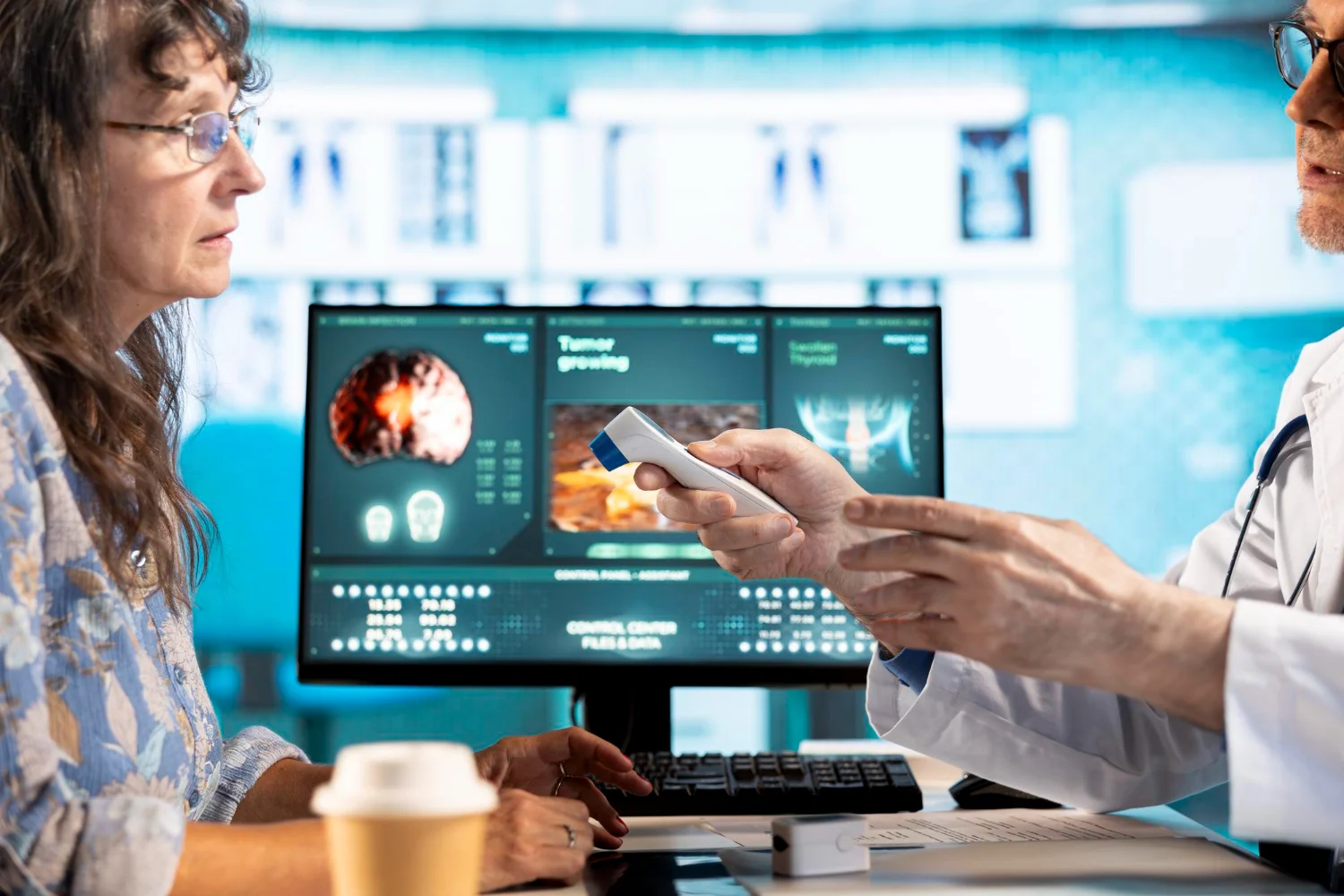
Hospital OS: Patient Portal & AI
A calm public front door with 24/7 booking, wired straight into the hospital's own system, plus AI where it saves clinicians time.
- 24/7
- Appointment accessibility
- 1
- Schedule shared by website and front desk
- 50+
- Modules in the full system
Where to go next
Hospital Management System
Hospital management system covering front desk, OPD, IPD, nursing, pharmacy, OT, billing and discharge, with a named owner for every step.
Learn moreNatural Language Processing
Natural language processing for healthcare: route complaints and messages, extract data from notes and referral letters, search records in plain language, read calls.
Learn moreLLM Development Services
LLM development and integration for drafting, summarising, extraction and assistants, with model choice, evaluation, guardrails, cost control and private hosting.
Learn more
Frequently asked questions
No. Every output is a draft until a clinician reviews, edits if needed, and signs it.
Only with the patient's consent and where you choose to use it. Discharge summaries and letters can be drafted from the record without any recording.
The clinician sees each section next to its source and corrects it before signing. We track edits to improve drafts over time.
Yes. The structure and wording are agreed with your clinicians for each specialty and document type.
We build drafting into your existing workflow where we can, so clinicians do not copy between systems.
Systems run in infrastructure you control, and only the records needed for a draft are sent to the model.
Bring us your bottleneck.
If a process in your organisation depends on one person remembering to follow up, describe it to us. You will get a straight answer on whether it needs automation, software, a team, or none of these.
Or write directly to support@algonsolutions.com