
What are healthcare software development services?
Healthcare software development services are the design, build and support of software made for a specific healthcare organisation: a hospital, clinic, diagnostic centre, health product company or medical distributor. The software follows that organisation's patients, orders, records and rules, rather than asking staff to adapt to a generic product.
Most healthcare teams already own software. The trouble sits between the screens: a lab result waiting on a phone call, an order confirmed on WhatsApp but never entered, a report rebuilt by hand every month. We start there. We map how the work happens, name the person who owns each step, and build the operational layer that moves information between departments, staff and customers without anyone chasing it.
We are not a product vendor. Each build reuses proven building blocks from our hospital deployments, so you get software shaped to your organisation without paying to start from zero.
- Where does work stop and wait for someone to remember it?
- Who owns each step, and can they see what is waiting for them?
- Can the owner see what is happening today without asking for a report?
How a healthcare build runs
The new system runs alongside the old way until staff trust it. Nothing is switched off on day one.
1. Bottleneck review
We walk through the work with the people who do it and find where it waits, repeats or depends on memory.
2. Plan
Scope, priorities, owners, timeline and cost, written down. You approve before any build starts.
3. Build in short cycles
Working software at regular intervals, starting with the step that costs you most.
4. Run in parallel
The new system runs beside registers and existing tools until each team relies on it.
5. Go live and train each role
Staff are trained on the steps they own, not on every screen.
6. Support and improve
Documentation, a named support contact, and the next layer of automation once the data is ready.

Why healthcare software projects stall
Projects rarely fail on code. They fail because the work was never understood before the screens were designed.
Screens before process
Designs are approved before anyone maps how a patient, sample or order actually moves. The gaps show up after go-live.
Generic products, forced to fit
Off-the-shelf tools assume a standard workflow. Staff keep side registers to cover what the product can't do.
No owner per step
When a step belongs to everyone, it belongs to no one, and the delay is discovered by the patient or customer.
Reporting as an afterthought
Data is not captured at the point of work, so reports are built later from incomplete records.
Disconnected from what exists
New software ignores the lab machine, accounting package or portal already in use, so staff type the same data twice.
Handed over, then abandoned
No documentation and no named support contact, so small problems become workarounds within months.
What we build for healthcare organisations
Every build follows the same order: map the work, assign owners, automate the repetitive part, then add AI where it earns its place.
- 01
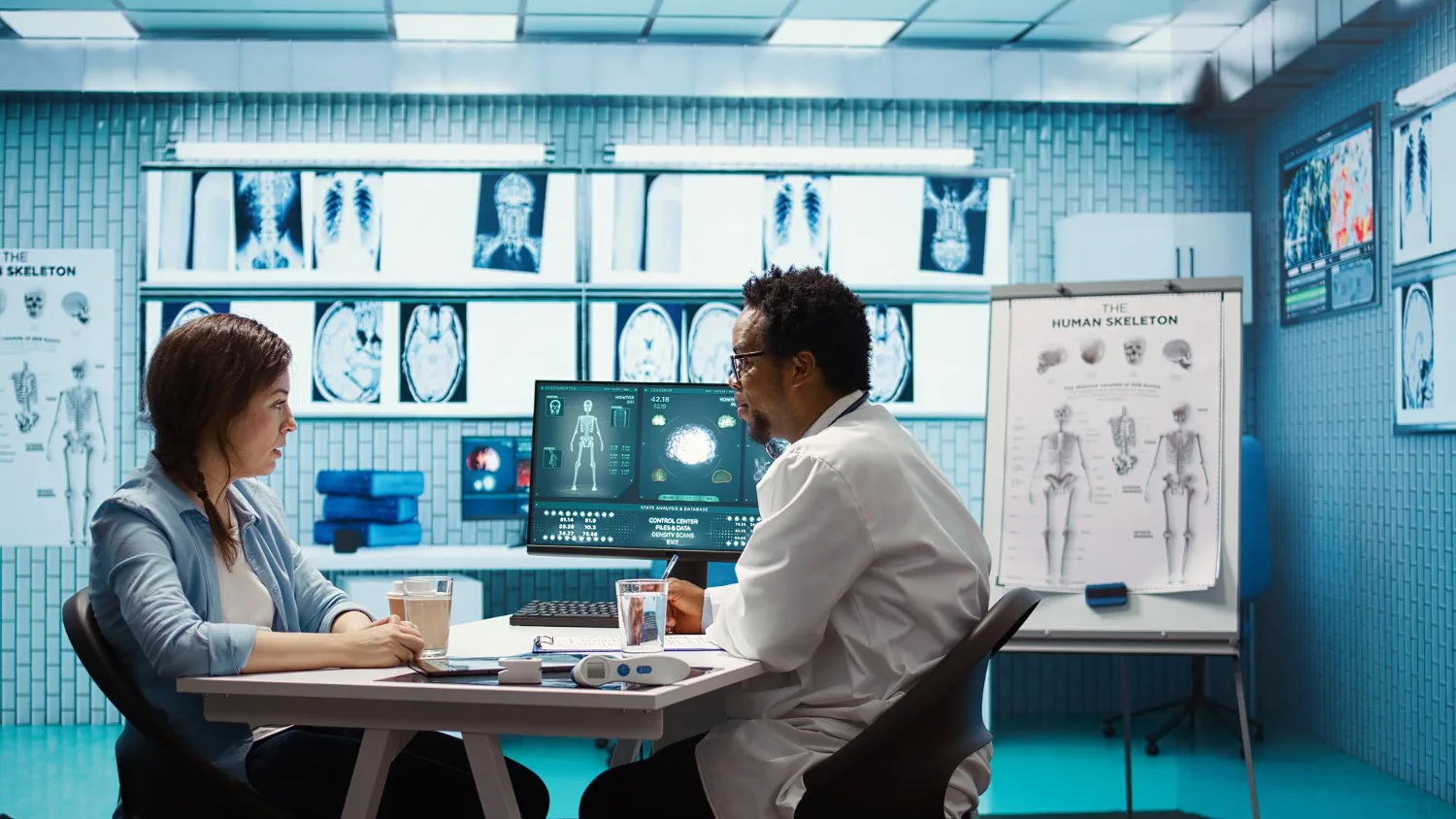
Hospital systems
Front desk to follow-up, with every department hand-off recorded and owned. Built as one system, not loose modules.
- 02
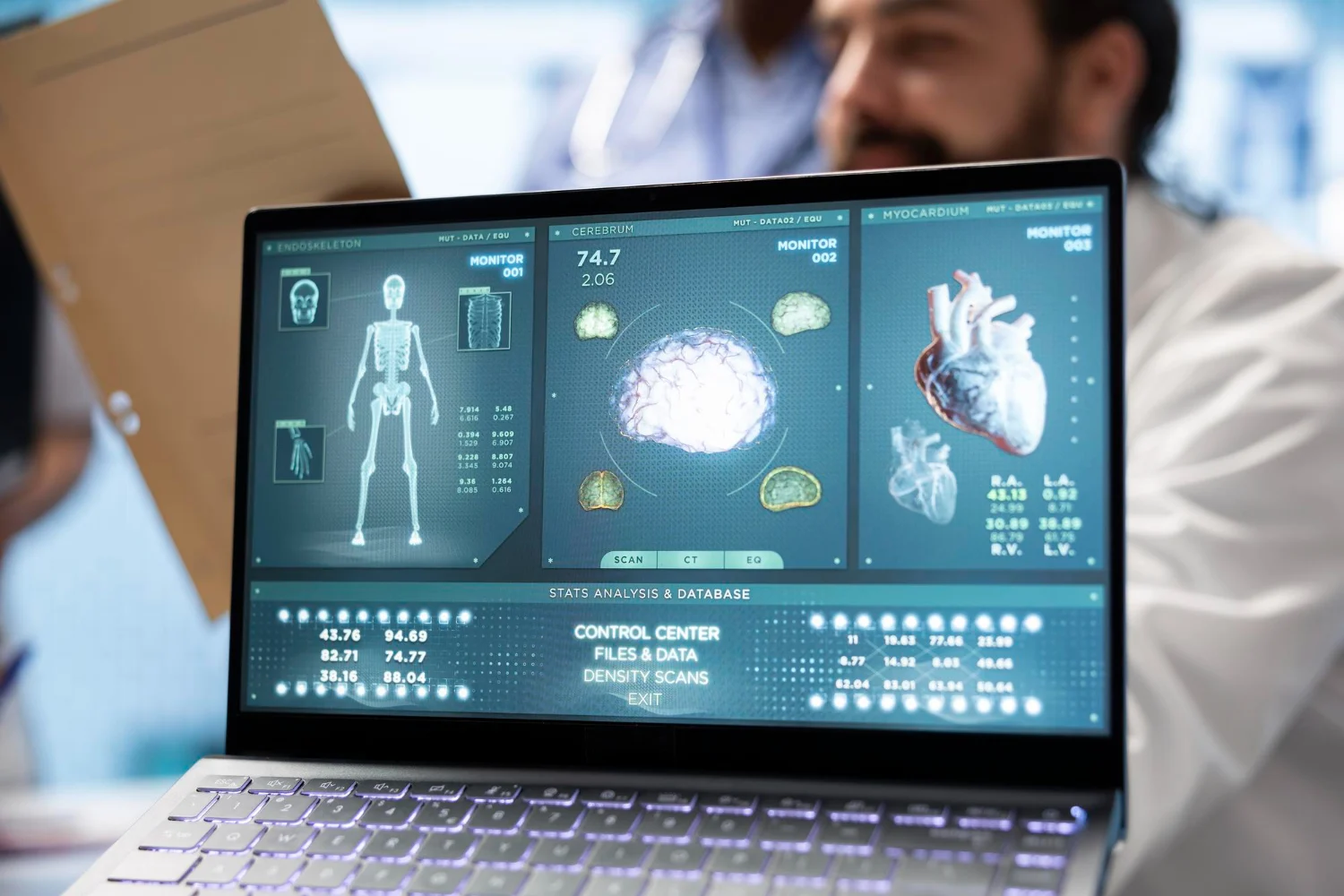
Clinic workflows
Appointments, consultations, prescriptions, reminders and billing for single clinics and growing chains.
- 03

Diagnostic centre software
Sample tracking from collection to report, result delivery to patients and referring doctors, and turnaround visibility.
- 04
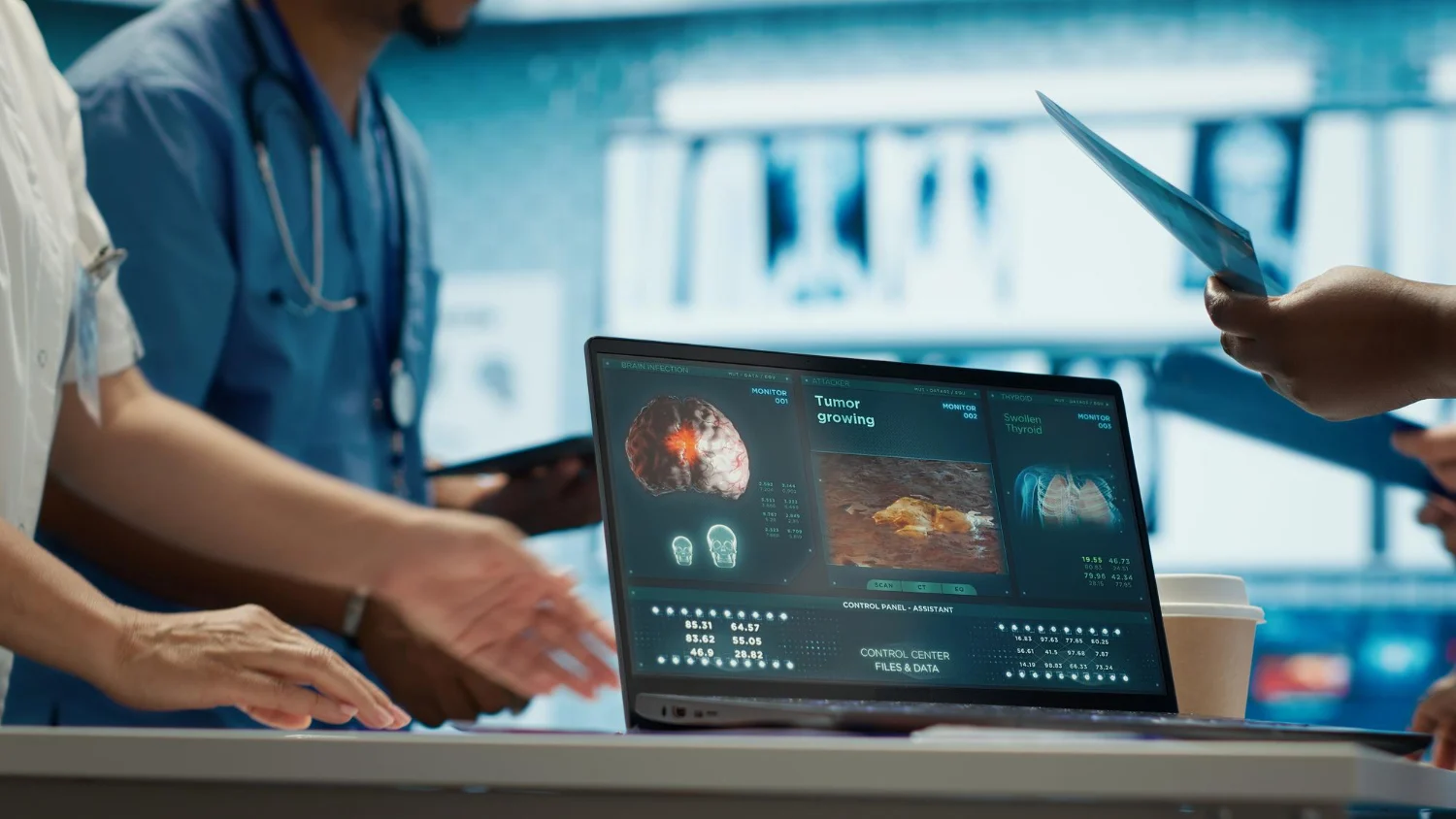
Healthcare product engineering
Products for health companies, shaped by what we have seen in real hospital deployments, not by assumptions about them.
- 05

Distributor order management
Orders, stock and dispatch in one place, with customers updated automatically instead of by phone.
- 06

Owner dashboards
Reporting designed in from the start, so owners see delays, volumes and revenue from the records staff already keep.
Where we work, and what we usually build
The problems differ by sector. The method does not: map the work, name the owner, then build.
| Sector | Typical problems | What we usually build |
|---|---|---|
| Hospitals | Patients wait between departments; discharge and billing drag; management sees month-old reports | A connected hospital system with owned hand-offs and live owner dashboards |
| Clinics | Appointments in a diary, missed follow-ups, billing kept apart from the consultation | Booking, consultation, prescription and reminder workflows in one flow |
| Diagnostic centres | Samples tracked on paper, reports sent by hand, no view of turnaround time | Sample-to-report tracking with automatic result delivery |
| Healthcare product companies | Products designed around an ideal hospital that doesn't exist, low adoption after rollout | Product builds informed by real hospital workflows and staff habits |
| Medical distributors | Orders, stock and dispatch tracked across calls and spreadsheets; customers chasing updates | Order management, stock visibility and automatic customer updates |
These are common patterns, not fixed packages. Scope is agreed after the bottleneck review.
What makes a build last
Process mapped first
The work is mapped and owned before screens are designed, so the software fits the organisation on day one.
Reporting from the start
The data owners need is captured at the point of work, not reconstructed at month end.
Documented hand-over
Every system is handed over with documentation and a named support contact, so it doesn't depend on one developer.
Hospital experience behind it
Our building blocks come from real hospital deployments, including a 50+ module HMS delivered in three months.
From an offline practice to a digital hospital system
A psychiatric and mental healthcare practice moved from manual records to a 50+ module system in three months.
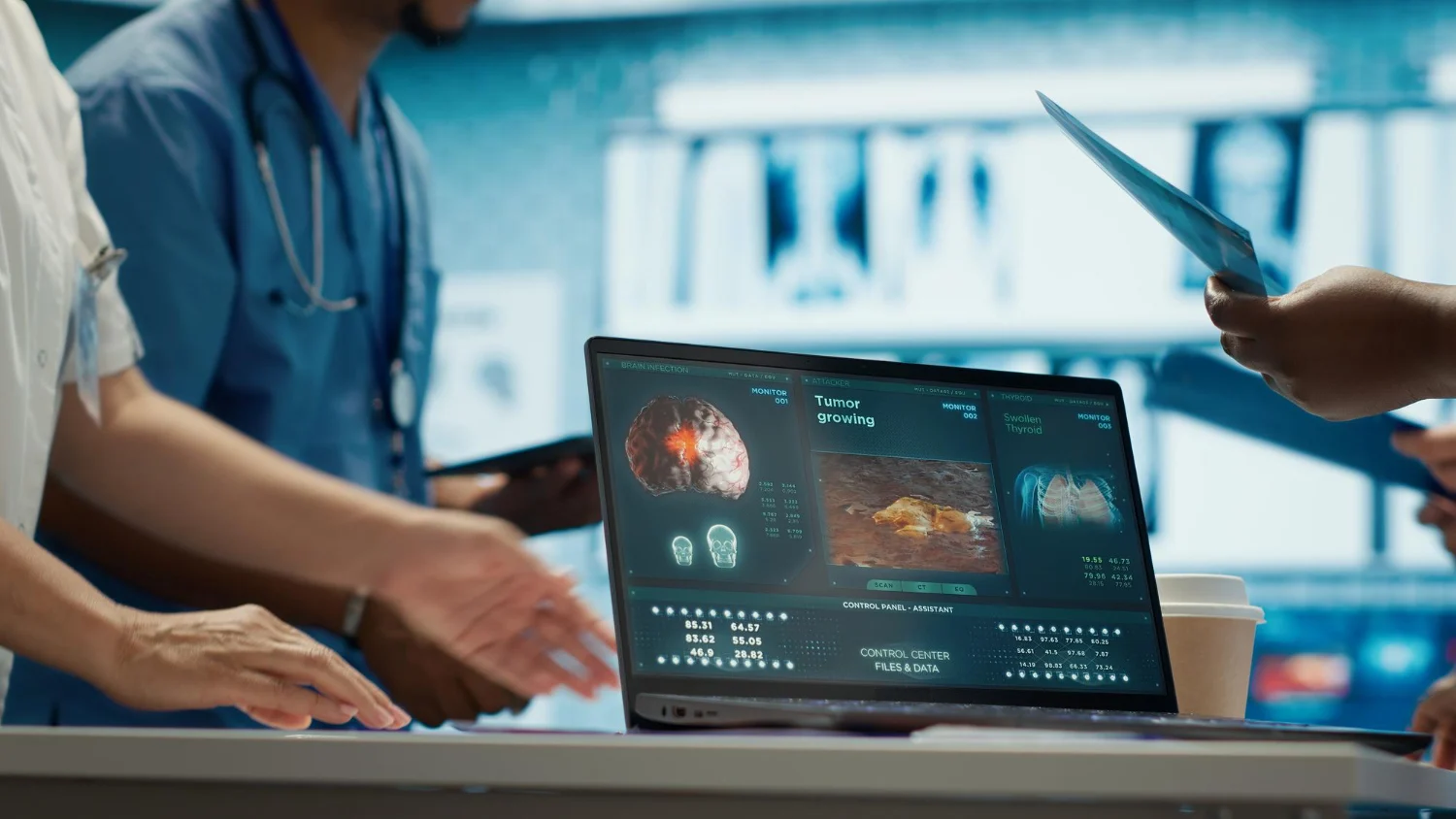
Hospital OS: Billing, Admin & Analytics
Charges captured where care happens, access controlled by role, and the whole hospital on one dashboard.
- 1
- Dashboard for the whole hospital
- 50+
- Modules in the full system
- 100%
- Workflow digitised
Where to go next
Hospital Management System
Hospital management system covering front desk, OPD, IPD, nursing, pharmacy, OT, billing and discharge, with a named owner for every step.
Learn moreHealthcare Integration
Healthcare integration that connects lab machines, PACS, insurance portals, accounting, WhatsApp and HL7 / FHIR systems, so staff stop typing the same data twice.
Learn moreMVP Development
MVP development for founders: a scoped first version built around your users' real workflow, ready for first customers and built to be extended.
Learn more
Frequently asked questions
Custom software. We reuse proven building blocks from earlier healthcare builds, but every system is shaped around how your organisation already runs.
Hospitals, clinics, diagnostic centres, healthcare product companies and medical distributors, with clients in the USA, India and the UAE.
Yes. Distributors usually track orders, stock and dispatch across calls and spreadsheets. We build order management, stock visibility and automatic customer updates around that work.
We bring what we have learned from hospital deployments: how staff really work, where they skip steps, and what makes a tool get used. That shapes the product before it reaches a hospital.
Usually, yes. We map your current systems and connect to them where that is cheaper than replacing them. The integration list is confirmed per project.
Typically React or Next.js on the front end, Node.js or Python on the back end, PostgreSQL for records, and AWS, GCP, Azure or private hosting depending on where your data must stay.
You get documentation and a named support contact. We monitor, fix issues and add the next layer, such as automation or AI, once the records are reliable.
Tell us where the work waits
Start with a bottleneck review. We map one workflow with your team and show you what a build would involve before you commit.
Or write directly to support@algonsolutions.com