
What is health data analysis?
Health data analysis is the process of turning the records a hospital or clinic already keeps, such as admissions, bills, orders and discharges, into answers that management can act on. It covers collecting the data, cleaning it, measuring what matters, and presenting it so an owner can see what is happening without waiting for a report.
The hard part is rarely the chart. It is the data underneath. When staff work around a system, keep side registers or enter details at the end of a shift, the records are incomplete and every dashboard built on them is wrong. We fix capture first, then build the views and the questions on top.
Once the records are reliable, we can add an assistant that answers questions such as "which department delayed discharges this week?" from your own data, with the source records shown next to the answer.
How we get from records to answers
Dashboards are only as good as the data behind them. We agree the questions first, check and fix how the data is captured, then build the views, alerts and assistant on top.
1. Agree the questions
We sit with owners and department heads and list the five to ten questions they need answered most often.
2. Check the data
We trace where each answer would come from and find the gaps in how data is captured today.
3. Fix capture
Small changes at the point of work, so the data is complete without adding effort for staff.
4. Build views and alerts
Dashboards and alerts for the agreed questions, tested against figures your team already trusts.
5. Add the assistant
Once the records are reliable, a plain-language assistant that answers with its sources shown.

Why hospital reports don't get used
Data captured late or not at all
Staff working around the system leave gaps, so totals never match what managers see on the floor.
Month-end, not today
Reports are assembled by hand after the month closes, long after the delay could have been fixed.
Dashboards nobody asked for
Dozens of charts, none answering the question the owner actually has.
Numbers that disagree
Billing, the ward and the pharmacy each report a different figure, so meetings argue about the data instead of the problem.
Answers locked in spreadsheets
One person knows how to pull the figure. When they are away, the question waits.
AI on unreliable records
An assistant that answers from incomplete data gives confident wrong answers, which is worse than none.
What we build
Data quality first, then the views and questions management actually uses.
- 01
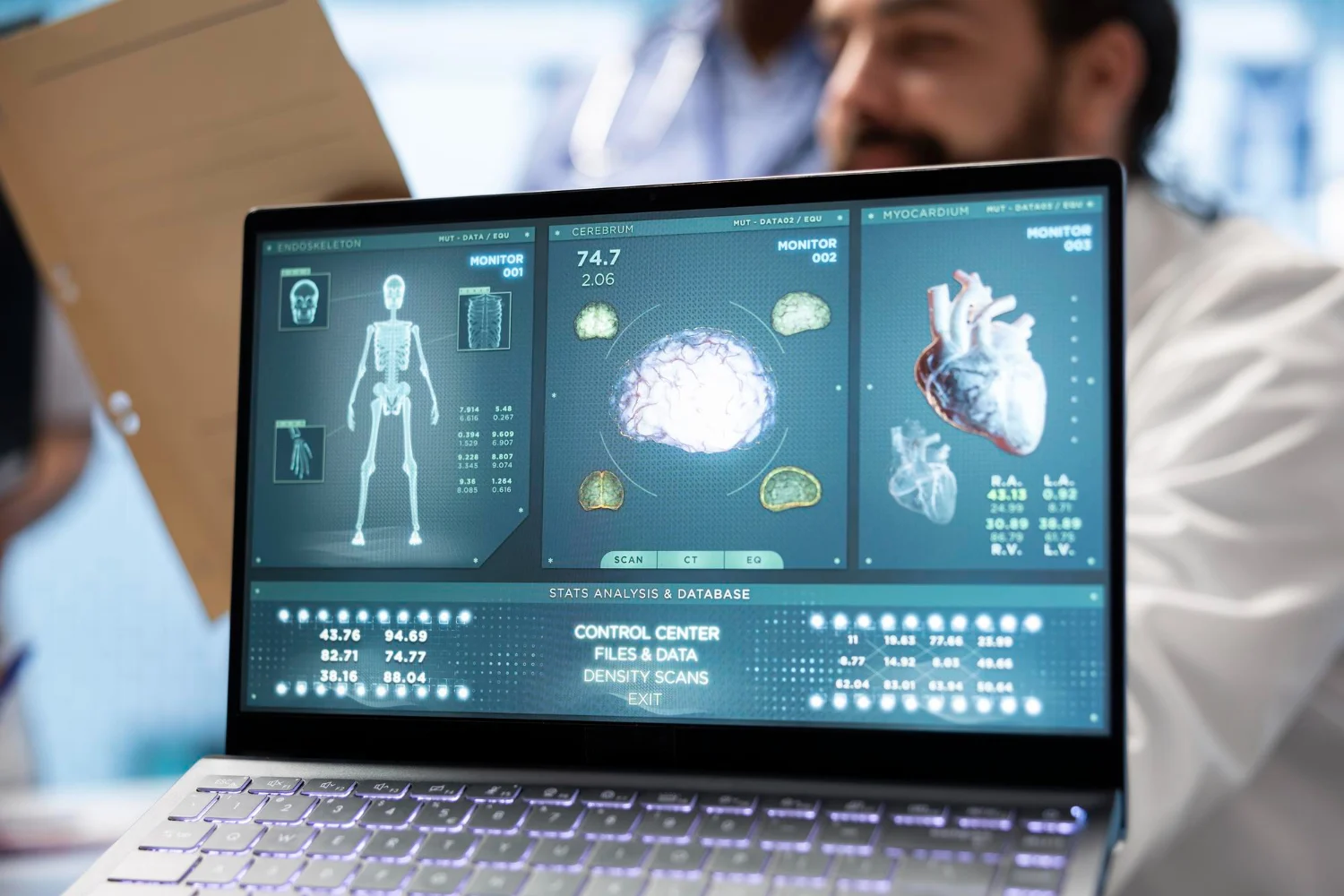
Data quality review
We find where records go missing or arrive late, and fix capture at the point of work.
- 02

Owner dashboards
A short set of views on occupancy, revenue, delays and department load, built into the system from the start.
- 03

Delay and bottleneck tracking
Time between key steps, such as discharge order to final bill, measured automatically and flagged when it slips.
- 04
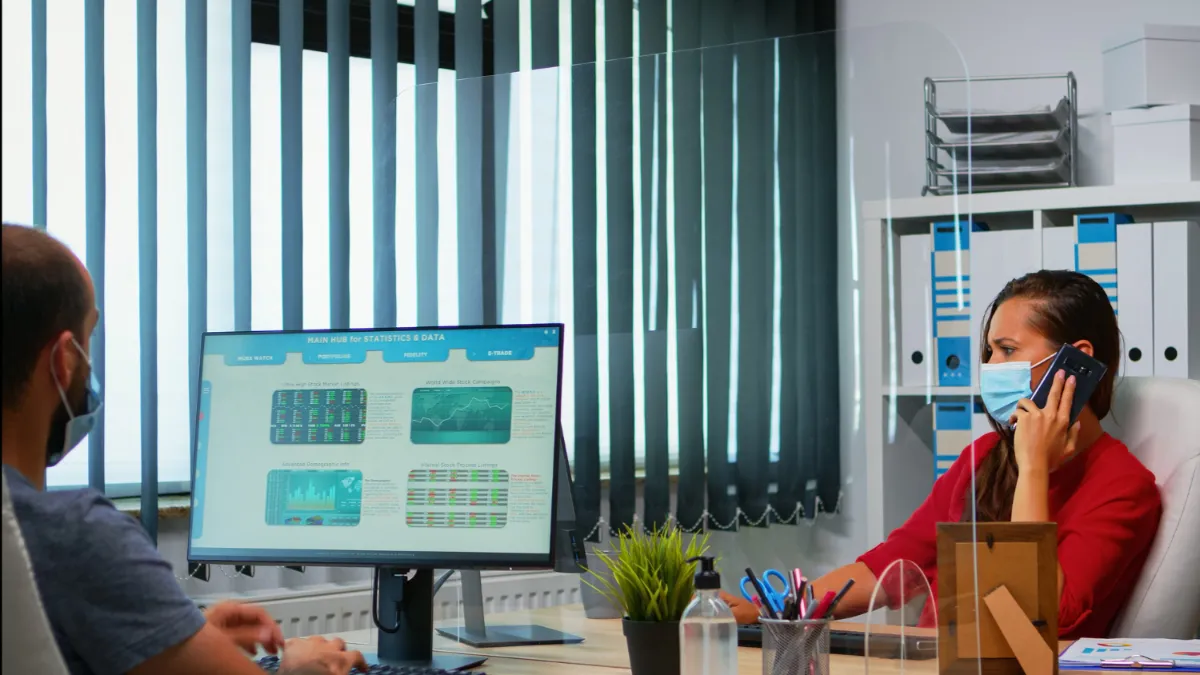
Revenue and volume analysis
Revenue by department, doctor, package and payer, compared week on week without a spreadsheet.
- 05

Plain-language questions
A RAG assistant that answers from your hospital's own records, with the source records shown for every answer.
- 06

Alerts to named owners
When a measure crosses a limit you set, the person who owns that step is told, not just the dashboard.
From question to answer
Examples of what management asks, and where the answer comes from once the data is captured properly.
| Question | Where the answer comes from | Who acts on it |
|---|---|---|
| Which department delayed discharges this week? | Discharge order and final bill timestamps | Department head and billing lead |
| What is our bed occupancy today, by ward? | Admissions, transfers and discharges | Admissions / ward in-charge |
| Which payers take longest to settle? | Claim submission and settlement dates | Billing and finance |
| Where do OPD patients wait longest? | Registration, consultation and order timestamps | Front office lead |
| Which services are growing, and which are falling? | Billing by department and service, week on week | Management |
The exact measures are agreed with your team. We only show figures the records can support.
Who uses it
Hospital owners and management
Occupancy, revenue and delays without waiting for month-end.
Multi-site groups
One view across branches, with the same measures defined the same way.
Diagnostic centres
Turnaround time, sample volumes and referral sources tracked daily.
How we keep AI answers accountable
An assistant is only useful if you can check it. Every answer is traceable.
Sources shown
Each answer lists the records it was drawn from, so anyone can check it.
Only relevant records sent
The model sees only the records needed for the question, not your whole database.
Data stays with you
Records and the assistant run in infrastructure you control.
A named person signs off
Someone on your team owns the assistant's scope and approves what it is allowed to answer.
AI only where it beats a rule
If a fixed report or alert answers the question, we build that instead.
Where to go next
RAG Development Services
RAG development services that let AI answer from your records, policies and manuals, citing sources, with controlled costs and data kept in systems you control.
Learn moreHospital Management System
Hospital management system covering front desk, OPD, IPD, nursing, pharmacy, OT, billing and discharge, with a named owner for every step.
Learn moreNatural Language Processing
Natural language processing for healthcare: route complaints and messages, extract data from notes and referral letters, search records in plain language, read calls.
Learn more
Frequently asked questions
Most hospital reports are rebuilt by hand and arrive after the month closes. We give owners the same answers daily, from the records staff already keep.
Yes, and that is where we start. We find where records go missing or arrive late and fix capture before building any dashboard.
Once the data is reliable, yes. A RAG assistant answers from your hospital's own records and shows the source records for every answer.
Only the records relevant to a question are sent to the model, and the setup runs in infrastructure you control. Where data must not leave your environment, we host accordingly.
Usually, yes. We connect to your current systems where that is cheaper than replacing them. The exact sources are confirmed per project.
Your management team. We agree the questions with you first and only build measures the records can support.
Start with one question
Tell us the question you most want answered each morning. We will show you whether your data can answer it today, and what it would take.
Or write directly to support@algonsolutions.com