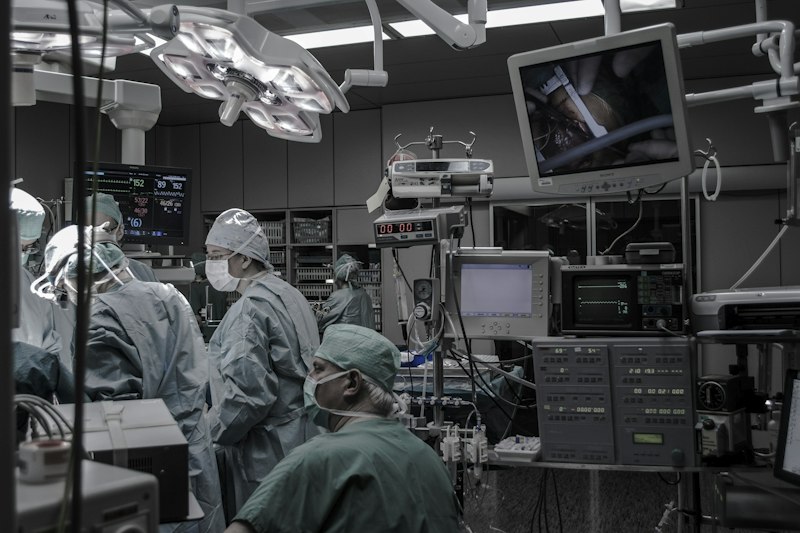
A hospital command centre is a single room (or a small virtual team) that watches every bed, transfer request, discharge and emergency admission across a hospital or group in real time, and has the authority to act on what it sees. It is not a wall of screens for show. The screens are only useful because a nurse-led team sits in front of them and makes placement and escalation decisions all day.
The idea is no longer experimental. In October 2025, University of Michigan Health published two years of results from its command centre in NEJM Catalyst, and US systems such as Sutter Health and AdventHealth have shared their own numbers. The common thread: most of the gain comes from faster, centralised decisions about beds and discharges, not from AI.
This guide explains what a command centre actually does, what the published results say, what it costs, and how a 150 to 500 bed hospital in India can start with a scaled-down version that fits its budget.
What a hospital command centre actually does
Think of it as air traffic control for patients. Every hospital already has people who find beds, chase discharges and take transfer calls. A command centre puts them in one place, gives them one shared live picture, and gives them clear rules for who decides what.
Typical responsibilities include:
- Bed placement: assigning admitted patients from emergency, OPD and transfers to the right ward, based on live bed status and nursing load.
- Transfer centre: taking calls from other hospitals and doctors, accepting or declining, and arranging transport.
- Discharge tracking: watching expected discharges for the day and escalating when a patient is medically fit but stuck on billing, pharmacy, transport or a pending report.
- Emergency department flow: spotting boarding (admitted patients waiting in emergency for a ward bed) early and pulling beds forward.
- Surge and escalation: triggering a pre-agreed plan when occupancy crosses a threshold, such as opening flex beds or holding elective admissions.
What the published results say
The strongest recent evidence comes from health systems that have published their own before-and-after numbers. These are not randomised trials, but they are specific and dated.
| Organisation | What they reported |
|---|---|
| University of Michigan Health (M2C2) | Bed efficiency equal to 63 extra adult beds; ED time to bed assignment down 37%; adult LOS down 8% |
| Sutter Health (3 pilot hospitals, 2025) | ED arrival-to-departure down 8%; transfers and direct admits up 29%; discharges up 4% |
| AdventHealth (from 2019 to fall 2022) | ER admission-to-bed placement over 23 minutes faster; transfer call abandonment from 8% to 3% |
Michigan's figures come from the University of Michigan's release on its NEJM Catalyst paper, published in December 2025. It also reported transfer acceptance rising from 70% to 80% and discharge-order-to-departure time falling 12% for adults. The centre cost about $2.1 million to build, staffing runs about $1.5 million a year, and the authors estimated a net financial benefit of $19.5 million over two years.
The Sutter and AdventHealth numbers are summarised in the American Hospital Association's June 2026 market scan. Sutter created its command centre in January 2025 and reported that its pilot hospitals cut net days above expected length of stay by 27%, which it equated to 12 additional beds per day. By February 2026 the centre supported 11 hospitals.
How it works: the four building blocks
Every command centre we have seen described in the literature has the same four layers. You can build each one at very different levels of sophistication.
1. A live data feed
The command centre needs near real-time data on beds (occupied, vacant, being cleaned, blocked), admissions pending, expected discharges, transfer requests and ED census. AdventHealth reports its data refreshing every three to five seconds. Michigan built its views on Epic EHR data. In India, this usually means pulling from your HMS bed management, ADT (admission, discharge, transfer) events and housekeeping status.
2. Shared views, not departmental reports
The point of the screens is that everyone sees the same picture at the same time. Common "tiles" include a hospital-wide bed board, an ED boarding list, a discharge-readiness list, and a transfer queue with timers.
3. A staffed team with authority
Sutter's team includes registered nurses and bed planning staff with emergency, acute care and inpatient experience. AdventHealth's team has more than 50 specialists including nurses, transport technicians and EMS and flight dispatchers. A small Indian hospital will start with two or three people per shift, but the principle holds: the people in the room must be able to assign beds without phoning five managers.
4. Standard workflows and escalation rules
Sutter standardised admission, transfer and discharge workflows across hospitals that previously used different order sets. This is the unglamorous part, and it is where most of the improvement comes from.
Where AI fits, and where it does not
Vendors increasingly market "AI command centres". In practice, AI shows up in a few narrow places:
- Discharge prediction: estimating which patients are likely to go home in the next 24 to 48 hours so the team can prepare.
- Census forecasting: predicting tomorrow's and next week's occupancy from admissions history, scheduled surgeries and seasonality.
- Placement suggestions: Michigan built an in-house AI patient placement tool that recommends beds; the human team still decides.
None of these work without clean, timely bed and ADT data. If your bed status is updated by a phone call to the ward in-charge twice a day, AI forecasts will be built on guesswork. Fix the data first.
A realistic version for Indian hospitals
Most Indian private hospitals are not 1,000-bed academic centres, and few can staff a 50-person hub. But the underlying problems are familiar: patients waiting in casualty for a ward bed, discharges that drag into the evening because of TPA approval, and beds sitting empty while housekeeping has not been told.
A scaled-down "patient flow desk" can deliver much of the value:
- Pick one room and one owner. A senior nurse or nursing supervisor per shift, with authority over bed allocation.
- Build one live bed board. Every bed, its status, and the time it entered that status. This needs your HMS to capture housekeeping and "blocked" states, not just occupied or vacant.
- Add an expected-discharge list. Doctors mark likely discharges the evening before. The desk chases pending items: final bill, pharmacy returns, TPA final approval, discharge summary.
- Track insurance timelines. IRDAI's 2024 master circular requires insurers to grant final authorisation on discharge within three hours of the hospital's request. Your desk should know when each request was sent.
- Hold a short daily huddle. Fifteen minutes each morning with ward in-charges, ED and OT to agree the day's bed plan.
- Review weekly. Sutter's capacity team meets weekly with ED and OT representatives to address delays. Copy this.
Our guides on IPD and bed management software and reducing discharge time cover the module-level details this desk depends on.
What it costs and what drives the cost
Michigan's figures (about $2.1 million to build, $1.5 million a year to staff) describe a three-hospital academic system with three rooms and 32 large screens. An Indian hospital's version is a different scale.
| Component | Small (100-200 beds) | Group (multi-site) |
|---|---|---|
| Room and screens | One desk, two or three displays | Dedicated room, video wall |
| Data integration | HMS bed board and ADT events | HMS plus feeds from each site, transfer system |
| Staff | One flow coordinator per shift | Nurse-led team, transfer coordinators |
| Analytics | Daily KPIs and simple forecasts | Forecasting models, placement suggestions |
The biggest cost driver is not hardware. It is the integration work needed to get trustworthy, real-time bed and discharge status out of your existing systems, plus the staff time. If your HMS does not record housekeeping turnaround or discharge milestones, that is the first build.
Common mistakes
- Buying screens before fixing workflows. If wards do not update bed status promptly, the board will be wrong and people will stop trusting it.
- No decision rights. If the command centre has to "request" a bed from each ward, it becomes a call centre, not a command centre.
- Measuring activity, not flow. Count hours saved in ED boarding and discharge delay, not the number of calls handled.
- Ignoring the evening. Many discharges stall after 4 pm. Staff the desk for the hours when flow actually breaks.
- Treating AI as the first step. Forecasts help once the basics are stable, not before.
How to start in 90 days
- Weeks 1-2: Measure the baseline: ED admit-to-bed time, discharge-to-departure time, bed turnaround, and daily occupancy by ward.
- Weeks 3-6: Make bed status real-time in your HMS, including cleaning and blocked states. Add discharge milestones.
- Weeks 6-8: Set up the flow desk, appoint coordinators, agree escalation rules with medical and nursing leadership.
- Weeks 8-12: Run daily huddles, publish a simple daily flow report to management, and compare with the baseline.
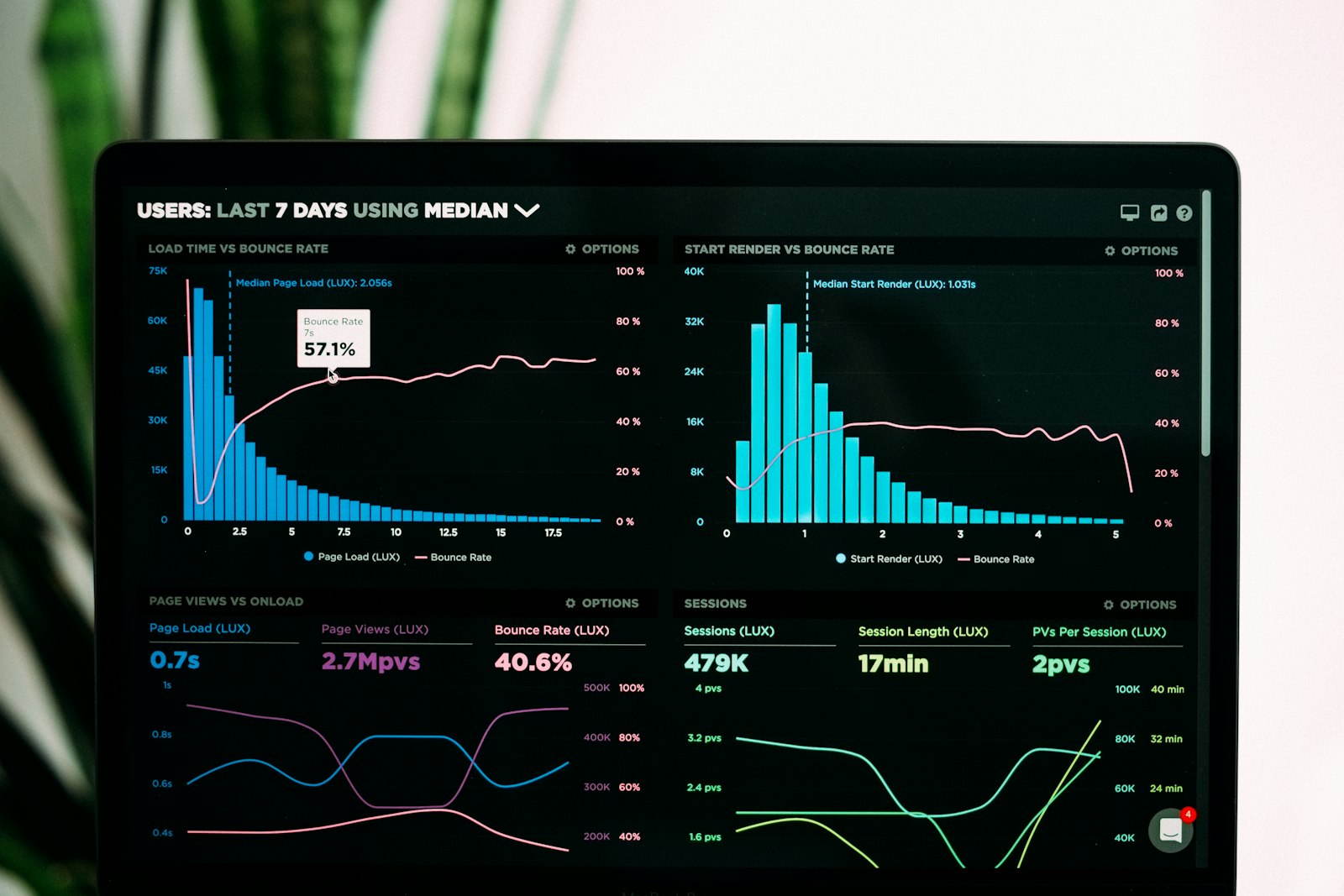
A hospital KPIs dashboard gives you the reporting layer, and healthcare data analytics work can add forecasting once the data is stable.
How Algon approaches this
At Algon, we build hospital software around how each hospital already runs. For a command centre or flow desk, that means making bed, ADT, housekeeping and discharge data reliable inside the hospital management system first, then building the live views your coordinators actually use. Where a hospital runs several systems, healthcare integration work pulls them into one board.
Conclusion
A hospital command centre works when a small, empowered team sees a reliable live picture and has clear rules for acting on it. Michigan's and Sutter's published numbers show the gains are real, but they come mostly from standard workflows and centralised decisions. For most Indian hospitals, the right first step is a patient flow desk with a real-time bed board and an expected-discharge list, not a video wall. Get the data and decision rights right, and the technology can grow from there.
Frequently asked questions
What is a hospital command centre?
A central team and room that monitors beds, admissions, transfers and discharges in real time across a hospital or group, and has the authority to assign beds and escalate delays. It combines live data, shared dashboards, trained staff and standard workflows.
Do hospital command centres actually improve patient flow?
Published results from large systems are positive. University of Michigan Health reported bed efficiency equal to 63 extra adult beds and a 37% cut in ED time to bed assignment over two years. These are self-reported, non-randomised results, so gains vary by starting point.
How much does a hospital command centre cost?
It ranges widely. Michigan reported about $2.1 million to build and $1.5 million a year to staff. A small Indian hospital can start with a patient flow desk, a live bed board and one coordinator per shift; integration work and staff time are the main costs.
Is AI necessary for a command centre?
No. Most of the gains come from real-time data and centralised decisions. AI helps later with discharge prediction, census forecasting and bed placement suggestions, but only once bed and ADT data are reliable.
What data does a command centre need from the HMS?
Live bed status including cleaning and blocked states, admission, discharge and transfer events, expected discharges, pending discharge tasks such as billing and TPA approval, and ED census with timestamps.
Can a small hospital in India run a command centre?
Yes, in a scaled-down form. A nursing supervisor per shift with authority over bed allocation, a real-time bed board, an expected-discharge list and a daily huddle delivers much of the value without a large room or team.